

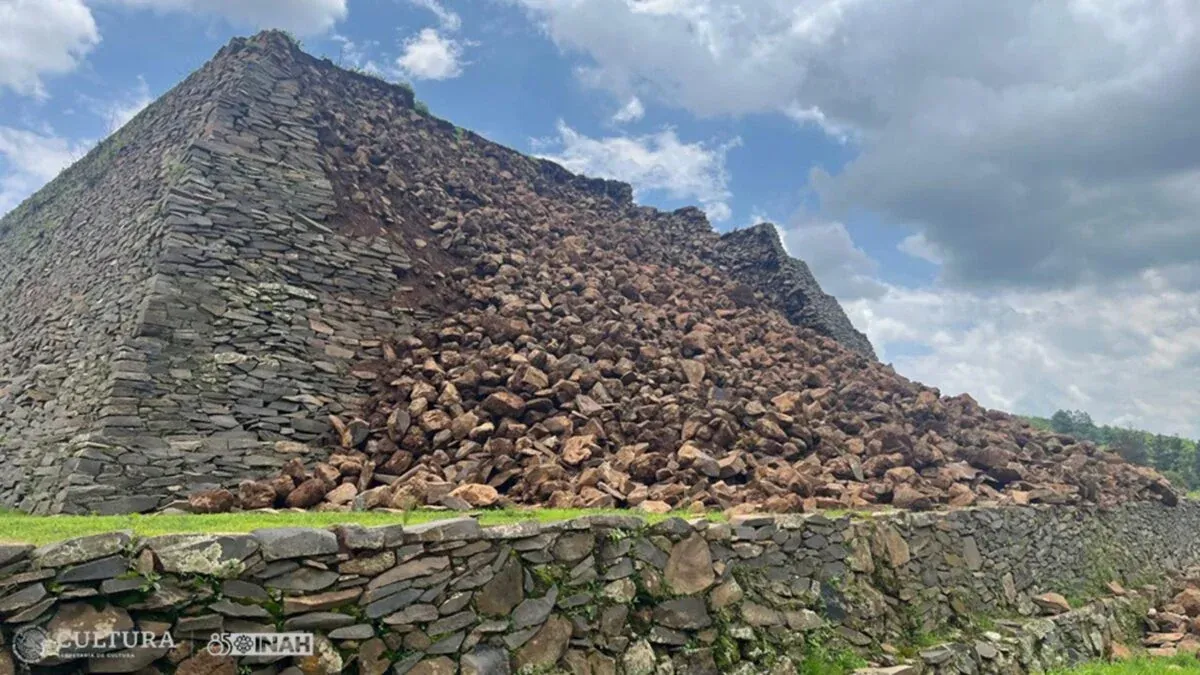
Ancient Pyramid Collapses in Mexico
Heavy rainfall caused a 15-meter pyramid in Mexico's Michoacán state to collapse. Local officials stated the structure suffered from both extreme weather and construction methods used in earlier repairs that are no longer recommended.
Mexico's National Institute of Anthropology and History (INAH) confirmed that the south wall of the pyramid could not withstand recent heavy rains. Officials noted that while only one pyramid at the site was damaged, six stepped sections including outer walls are in disrepair.
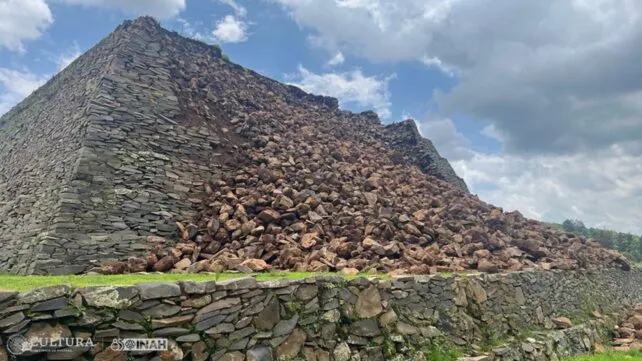
The archaeological site was first occupied over 1,100 years ago by Indigenous Nahuatl-speaking groups and later became the headquarters of the P'urhépecha people. Tariakuiri Alvarez, a living member of the P'urhépecha tribe, stated his ancestors would interpret this collapse as a 'bad omen' signaling divine displeasure.
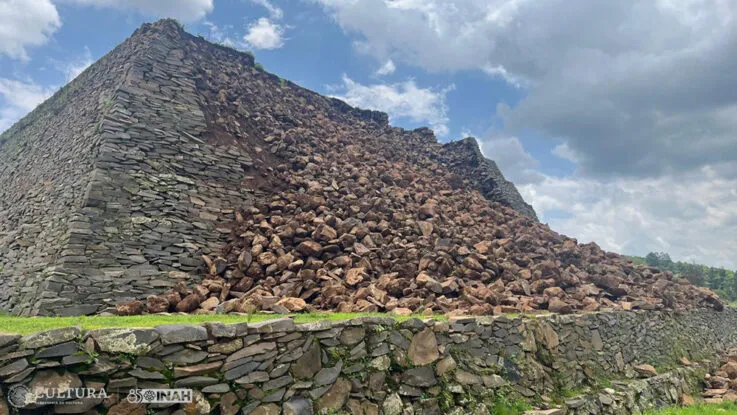
Climate change poses a global threat to ancient structures. Hurricane Karl struck Veracruz in 2010 and destroyed part of another pyramid. Meanwhile, pyramids in Sudan face similar risks; studies show that natural forces have accelerated their deterioration over the last three decades due to floods and wind.

Climatologist Jørgen Hollesen warned in an article for Antiquity that increased rainfall and higher temperatures exacerbate existing vulnerabilities at archaeological sites. Scientists emphasize that these events serve as a warning about the increasing instability of the global climate system.
Sources
Read the full story at the source
ScienceAlertsciencealert.com↗
This summary is compiled from the sources above with the help of AI. Please refer to the sources for full details.