


Ancient British King Verica May Have Been a Woman
Archaeologist Miles Russell from Bournemouth University suggests that Verica, the Atrebates tribe's king who paved the way for Rome's invasion of Britain in 43 CE, may have been a woman. Russell bases this claim on genetic evidence and coin imagery rather than traditional gender assumptions found in ancient texts.
Archaeologist Miles Russell from Bournemouth University argued in an article for Current Archaeology that Verica could have been female. Russell stated that the assumption of a male king stems from the patriarchal mindset of 19th-century classical historians.

Researchers sequenced genomes of around 50 Celtic Britons buried together in southern England and found strong evidence of female-line descent. This discovery suggests women were influential in Iron Age society before the Roman Empire conquered Britain.
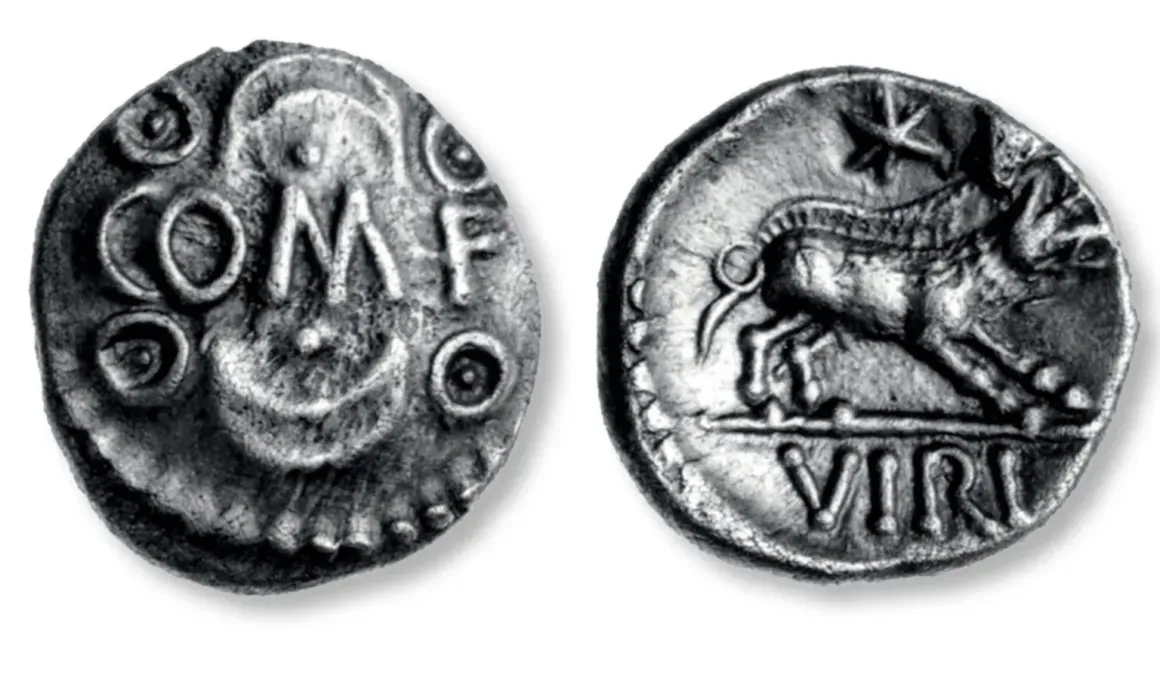
Roman historian Cassius Dio wrote that Verica, whose name appears as Bericus in Greek texts, persuaded Claudius to send forces to the island. However, most knowledge about this figure comes from coin inscriptions using the title 'rex', which was non-gender specific and used for both male and female rulers.
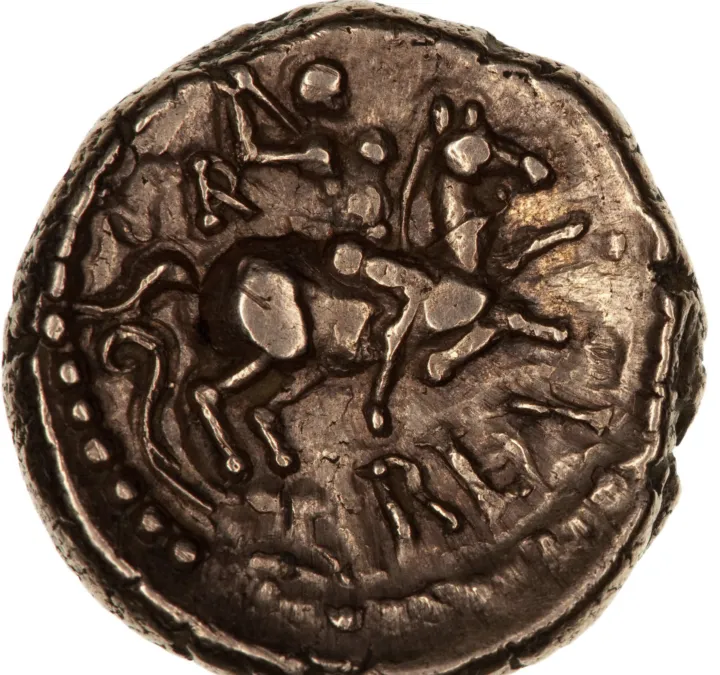
The warrior depicted on Verica's ancient coins shows a slender, feminine, bare-breasted figure riding a horse, unlike obviously male warriors of other leaders. Russell explained that this depiction does not necessarily represent the leader themselves but reflects the era's artistic style.
While some archaeologists remain unconvinced by these arguments due to scarce evidence, Russell acknowledges that his hypothesis will inspire debate. He maintains that archaeological evidence preserves echoes of one of Britain's earliest and most important female leaders.
Sources
Read the full story at the source
ScienceAlertsciencealert.com↗
This summary is compiled from the sources above with the help of AI. Please refer to the sources for full details.