
Single Protein Found to Inhibit Healing of Damaged Nerves
Mount Sinai University researchers revealed that the aryl hydrocarbon receptor (AHR) protein suppresses the ability of injured nerve cells to repair themselves. Reducing this protein's effect could facilitate nerve regrowth and help restore movement and sensation.
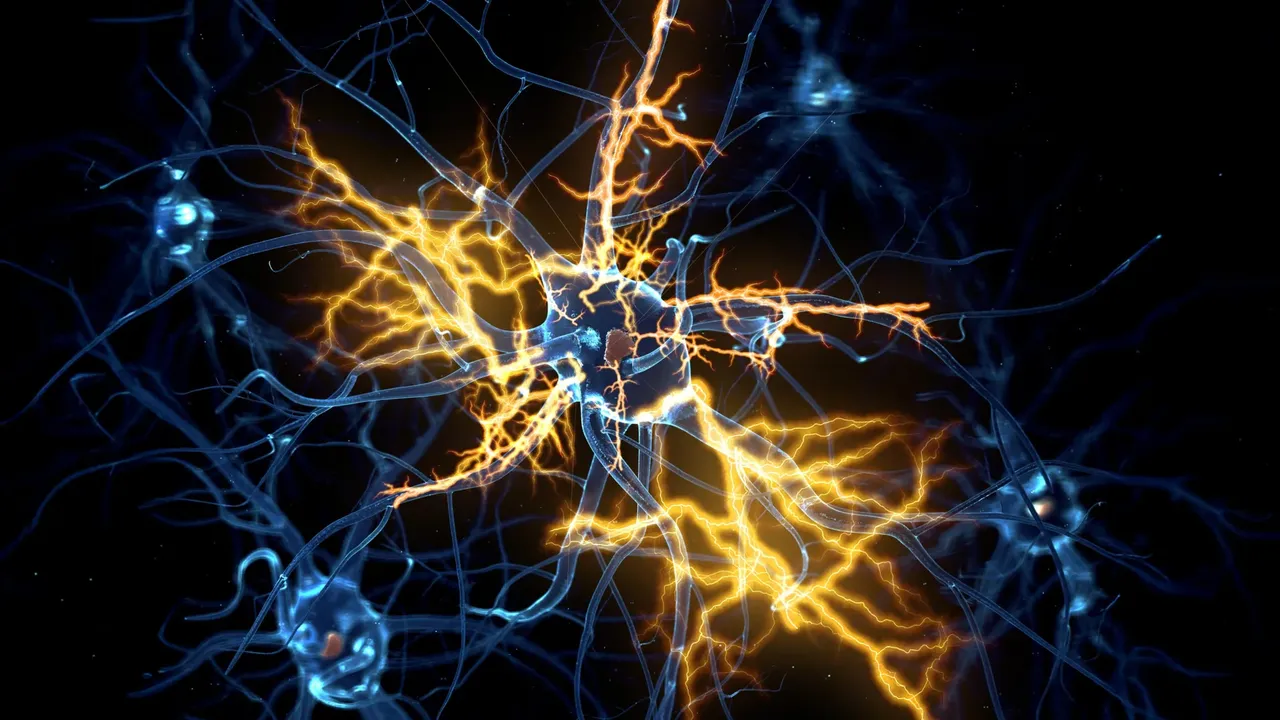
Nerve cells consist of long fibers called axons that facilitate communication between the brain and spinal cord. In adult mammals, regenerating these fibers is limited, often leading to permanent impairment after serious injury.
The Mount Sinai team discovered that the AHR protein acts as a brake, forcing injured neurons to prioritize stress management over repair. Blocking this mechanism allows damaged axons to grow more effectively.
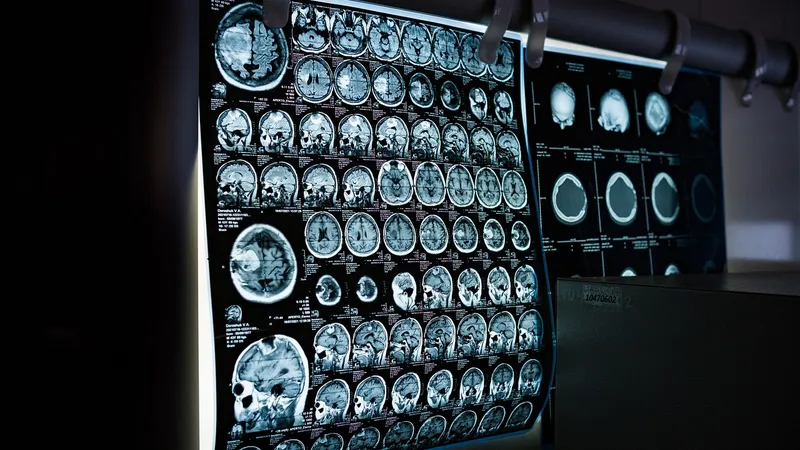
Experiments showed that inhibiting or genetically removing AHR improved recovery in mice with spinal cord and peripheral nerve injuries. Both movement and sensation were restored when the protein's activity was suppressed.
Researchers also found that this regenerative response depends on another protein called HIF-1α. Known for helping cells adapt to low oxygen, it regulates genes involved in metabolism and tissue repair.
The study led by Dr. Hongyan Zou suggests that shifting neurons from a survival mode to a repair mode offers hope for patients suffering from movement loss.
Sources
Read the full story at the source
ScienceDailysciencedaily.com↗
This summary is compiled from the sources above with the help of AI. Please refer to the sources for full details.