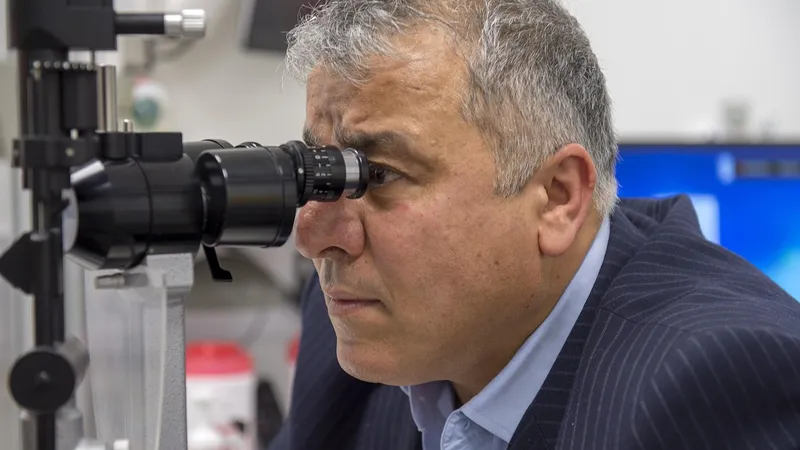


Pill use drops as contraception choice
In the UK, pill use among young women has dropped by over a third in the last decade. Women are increasingly choosing other methods due to better information and a preference for natural options.
According to a major national sexual health study published by BBC Health, the proportion of young women taking the contraceptive pill has fallen from 48% to 32% in the last decade. Among all women of reproductive age, usage dropped from 29% to just under 21%.
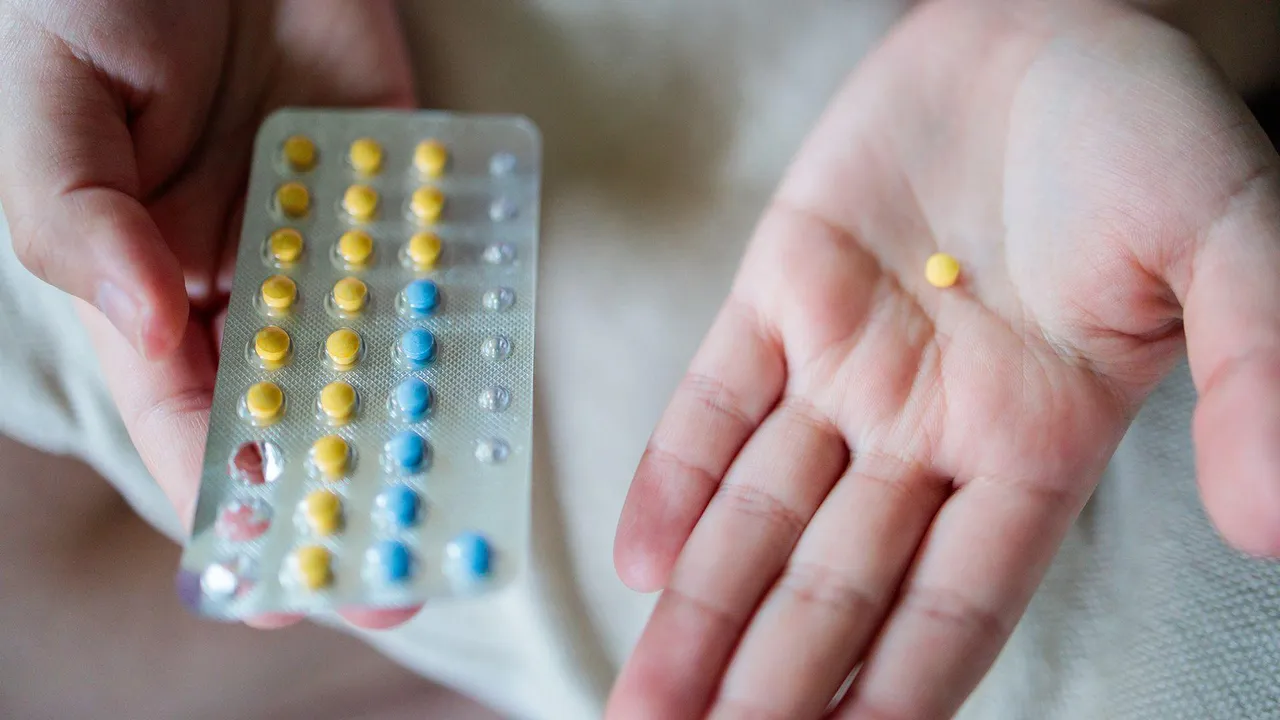
Users like Maddison Middleton cite concerns about long-term safety and a desire for natural options as reasons for stopping. Experts clarify that studies show no long-term effect on fertility despite these fears.

The NHS notes the pill is also prescribed for health issues such as acne, painful periods, and endometriosis. However, cases like Elle-Mae Thompson's highlight significant mental health impacts and side effects experienced by some users.

Dr Neha Pathak, an NHS consultant, observes that more women are visiting clinics with questions about different methods and side effects, which she views as a positive development. She emphasizes the need for informed choices based on accurate information.
Researchers are investigating whether current concerns are driven by misinformation. Medical professionals encourage detailed discussions between doctors and patients to ensure safe and effective contraception choices.
Sources
Read the full story at the source
BBC Healthbbc.co.uk↗
This summary is compiled from the sources above with the help of AI. Please refer to the sources for full details.