
No lead found in Iowa water after explosion
The US Environmental Protection Agency (EPA) announced that no elevated lead levels were found in local drinking water following the military detonation of toxic explosives in Iowa. Analysis of 38 samples revealed no presence of lead.
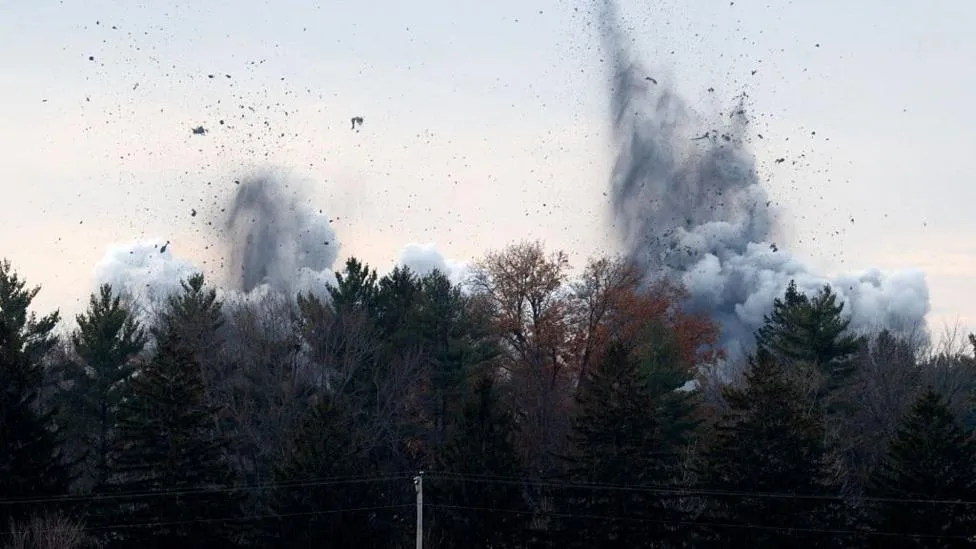
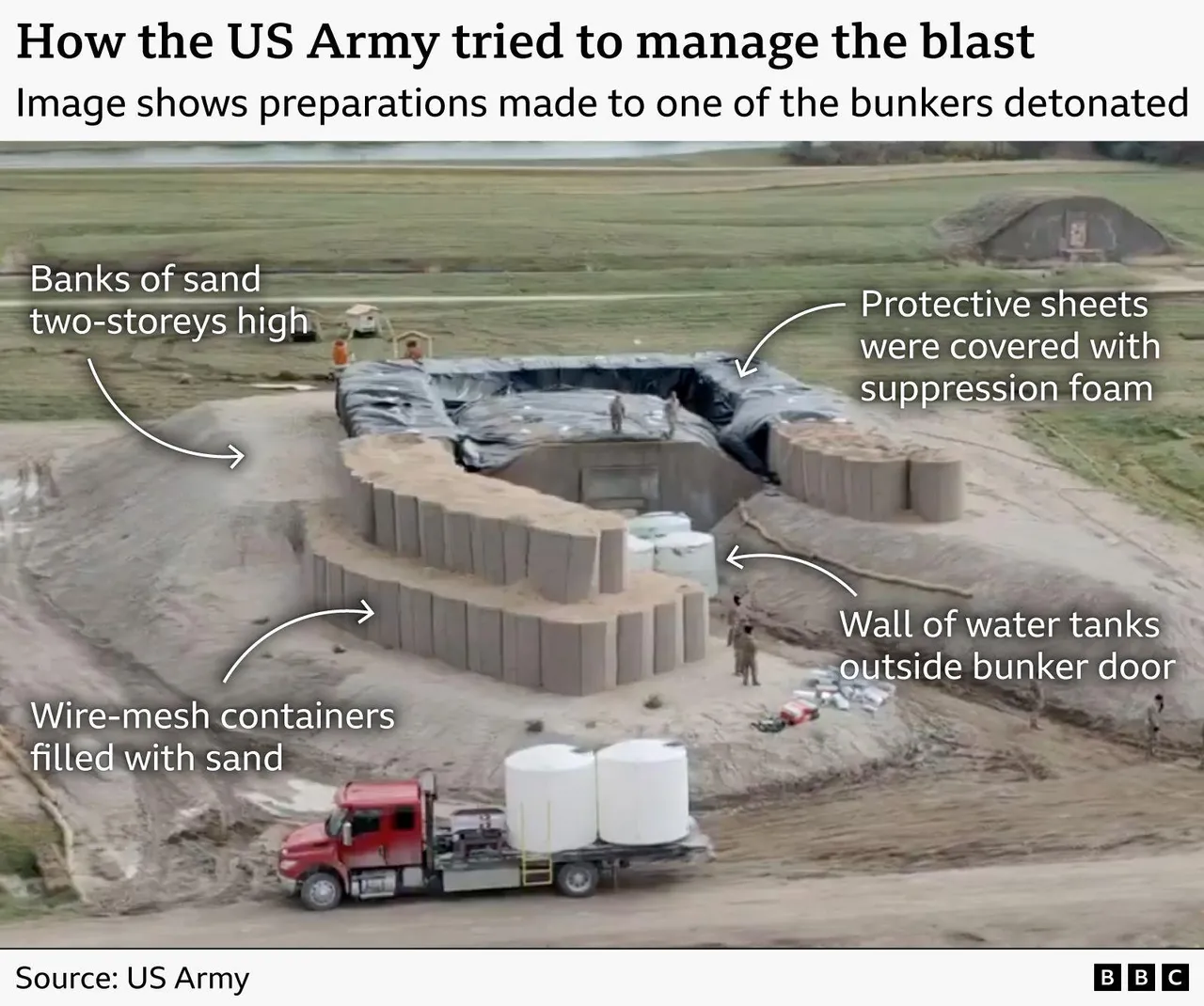
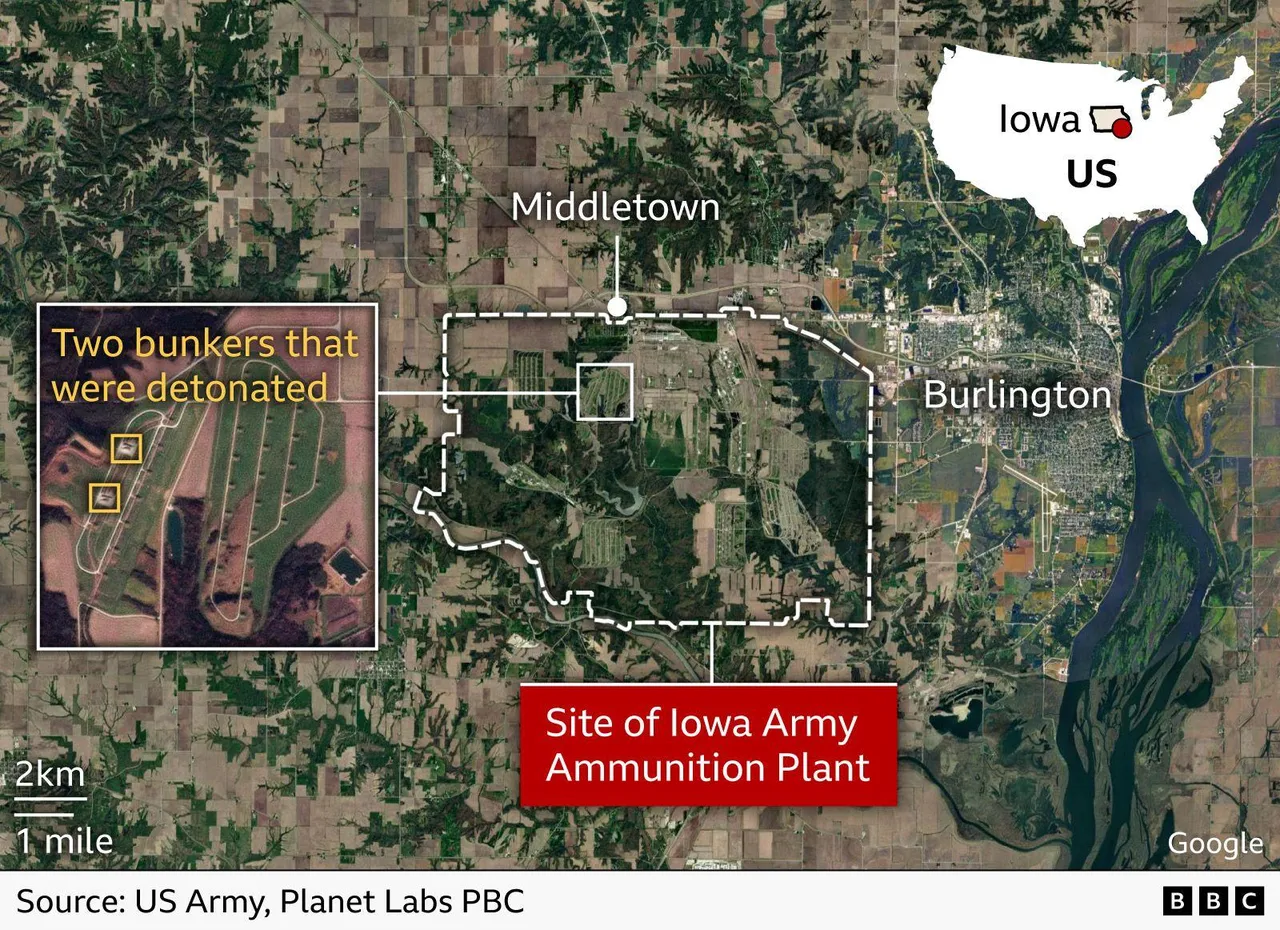
The US military detonated nearly five tonnes of lead azide, a toxic compound that poses a risk of spontaneous explosion, in Iowa state. This substance had been stored for around 20 years and degraded through recrystallisation.
Following the blast, the EPA tested 38 samples from public water supplies and found no indications of elevated lead levels. The agency also analyzed both finished treated drinking water and untreated intake water.
To monitor airborne lead, a team of 300 personnel spent 30 consecutive hours collecting samples immediately after the explosion. In total, over 3,200 air, soil, dust, and water samples collected before and after the detonation are being validated in labs.
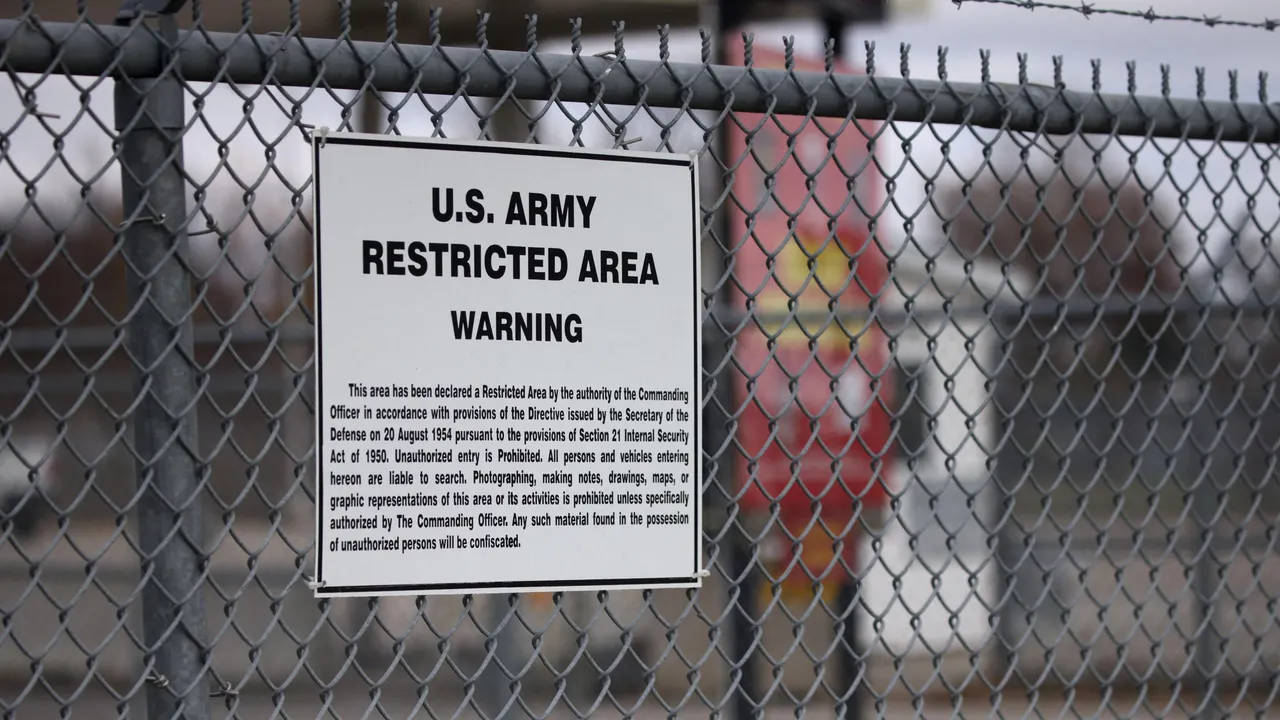
The plan to carry out the explosion was paused several times due to public outcry and legal challenges regarding environmental and health impacts. However, an appeals court cleared the way for the blast, stating that the risk of an uncontrolled explosion outweighed valid concerns.
The US Army hailed the controlled detonation as a 'huge success'. The EPA continues to warn that no level of lead exposure is considered safe, posing serious health risks to humans and animals.
Sources
Read the full story at the source
BBC Sciencebbc.co.uk↗
This summary is compiled from the sources above with the help of AI. Please refer to the sources for full details.