
Aging Joint Tissue Revived in Breakthrough Study
A Stanford University team identified an enzyme that triggers cartilage loss during aging. Blocking this enzyme caused old tissue to rejuvenate and reduced inflammation.
Researchers at Stanford University developed a mechanism to thicken cartilage in old mice by blocking an enzyme called 15-PGDH, which was previously known to hinder tissue repair.
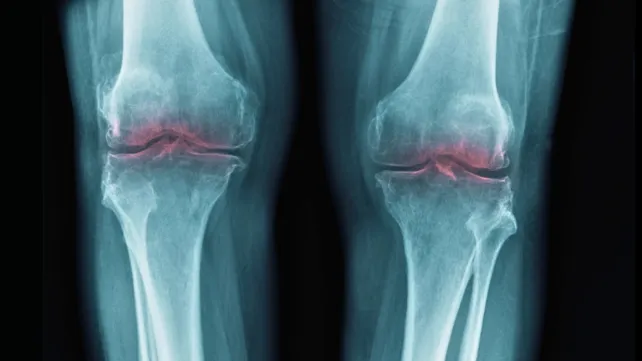
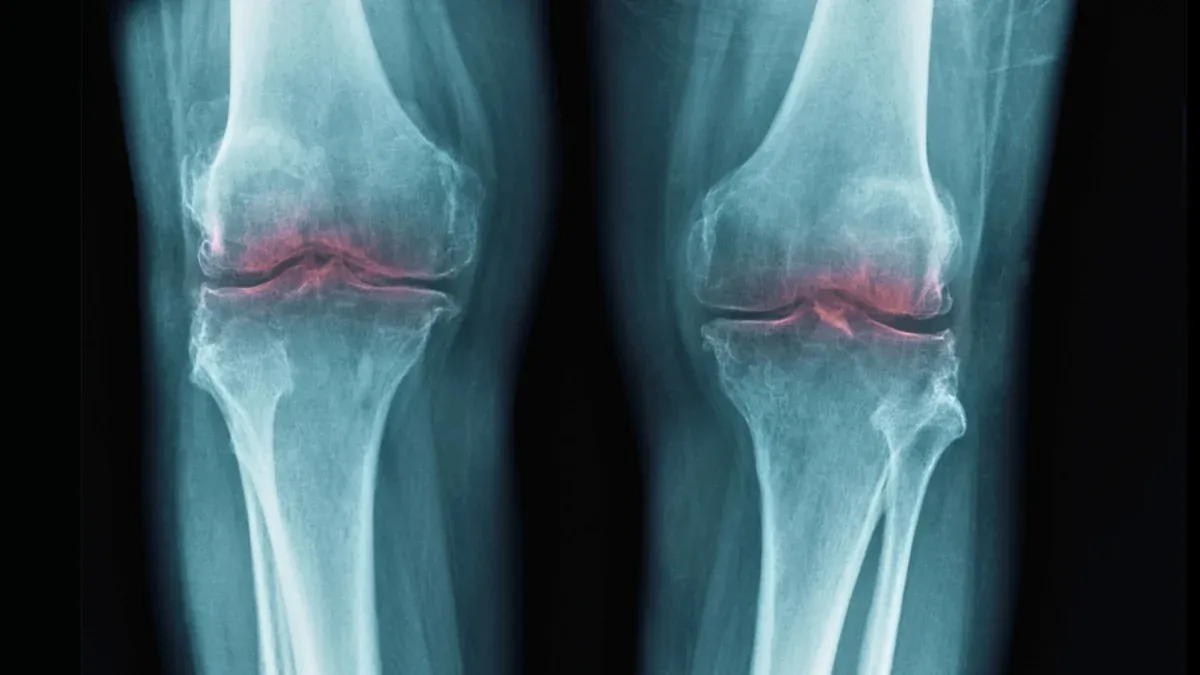
When the enzyme was blocked, cartilage that had worn away in aged mice thickened again. In young mice with fresh injuries, this treatment prevented the development of osteoarthritis typically seen after trauma.
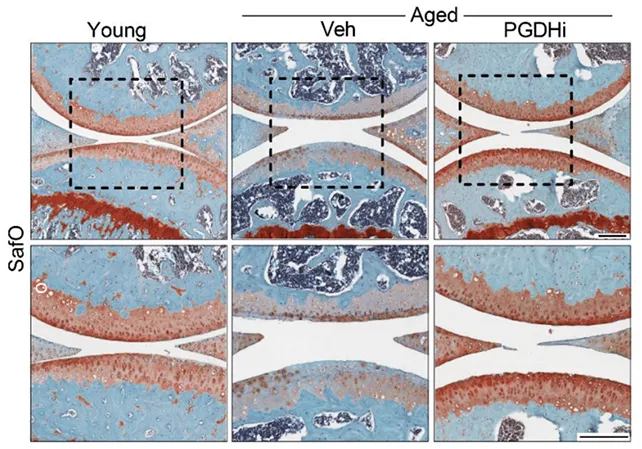
The study revealed that stem cells were not involved in this regeneration process. Instead, existing adult chondrocytes changed their gene expression patterns to become healthier and repair the tissue.
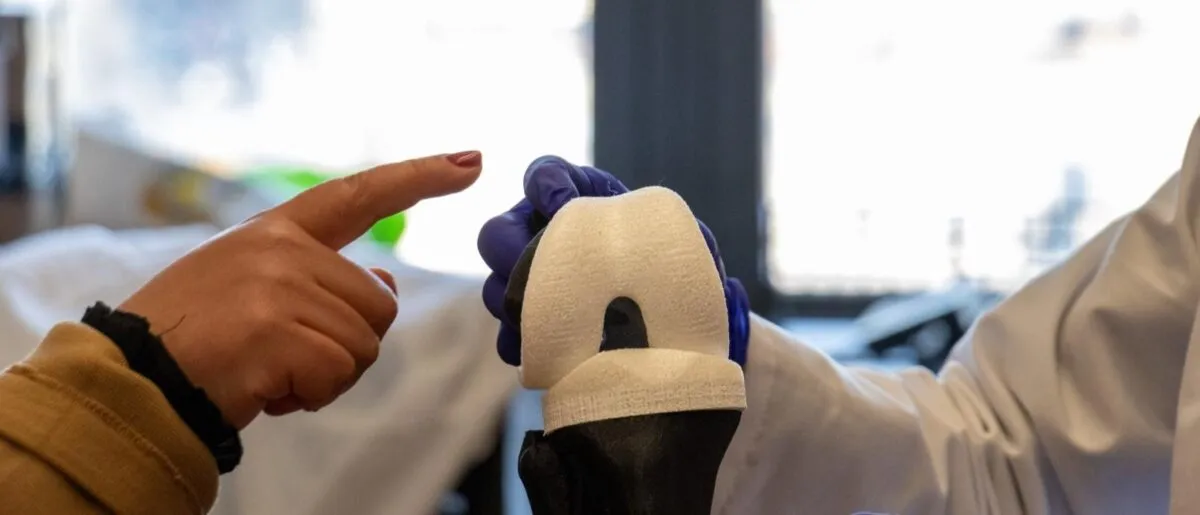
Tests conducted on human cartilage samples from patients undergoing knee replacement surgery showed similar positive results. The treated tissue became stiffer and less inflamed compared to untreated samples.
This discovery is part of a broader initiative funded by the US government's Advanced Research Projects Agency for Health (ARPA-H). Under the NITRO program, multiple teams are racing to find effective treatments for osteoarthritis using different biological approaches.
Sources
Read the full story at the source
ScienceAlertsciencealert.com↗
This summary is compiled from the sources above with the help of AI. Please refer to the sources for full details.