
Rare Seaweed Found After 90 Years Near Lord Howe Island
Scientists discovered a rare species of seaweed near Lord Howe Island that had been missing for nearly 90 years. The adult form of this species, first identified in 1933, was last seen in 2022 via underwater cameras.
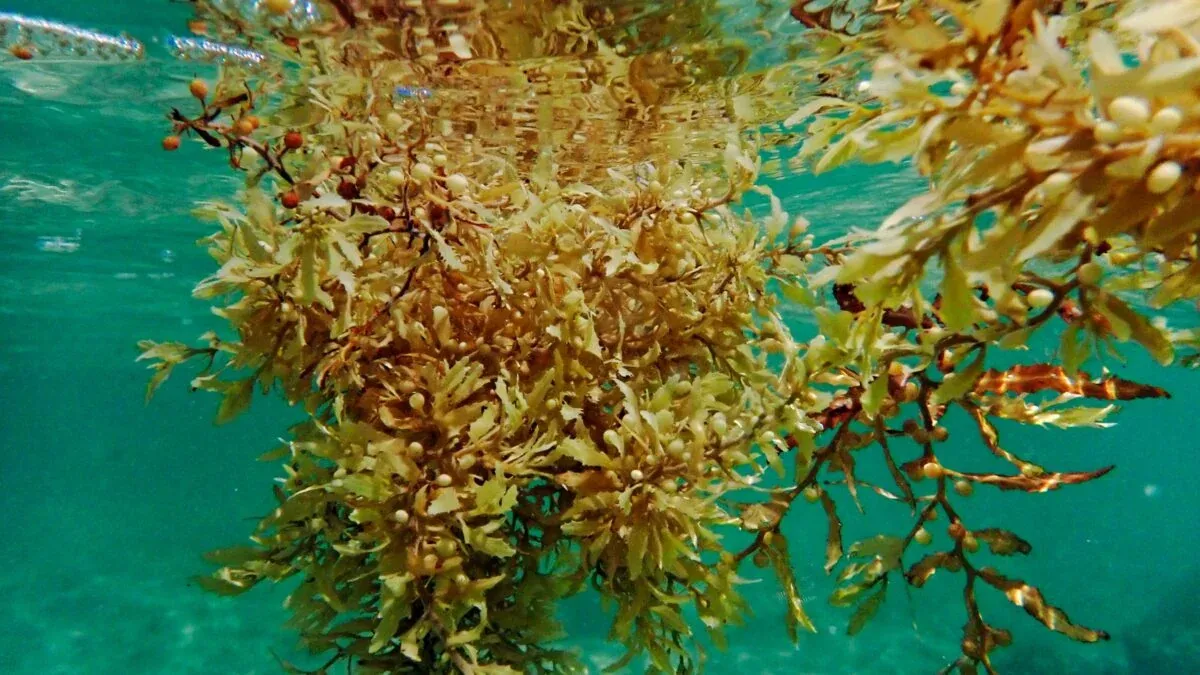
Scientists off the east coast of mainland Australia accidentally discovered a vast underwater forest of Sargassum macroalgae during a fish survey. The footage revealed the presence of Sargassum howeanum, a species not seen in its mature form for nearly a century.
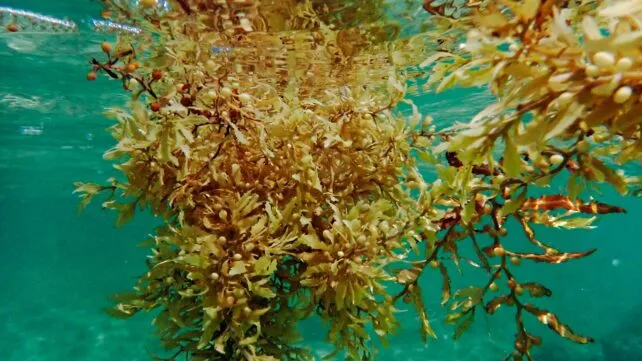
First identified by botanist A.H.S. Lucas in 1933 near Lord Howe Island, this copper-colored seaweed was previously only found as immature specimens. Researchers noted that a patch of seafloor barren just 13 years prior had transformed into a dense forest.
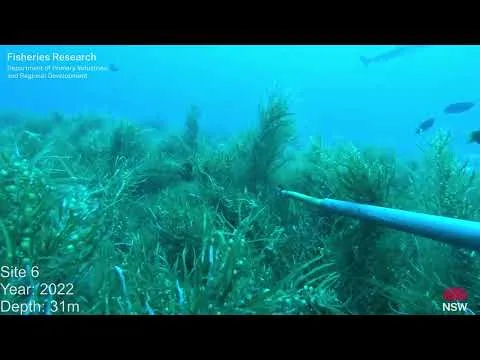
Reviewing survey footage from 2009 through 2022 showed that underwater forests surrounding the island expanded their coverage by 22-fold, reaching depths up to 38 meters. The study suggests these forests may be seeking refuge in darker, cooler waters as ocean temperatures rise.
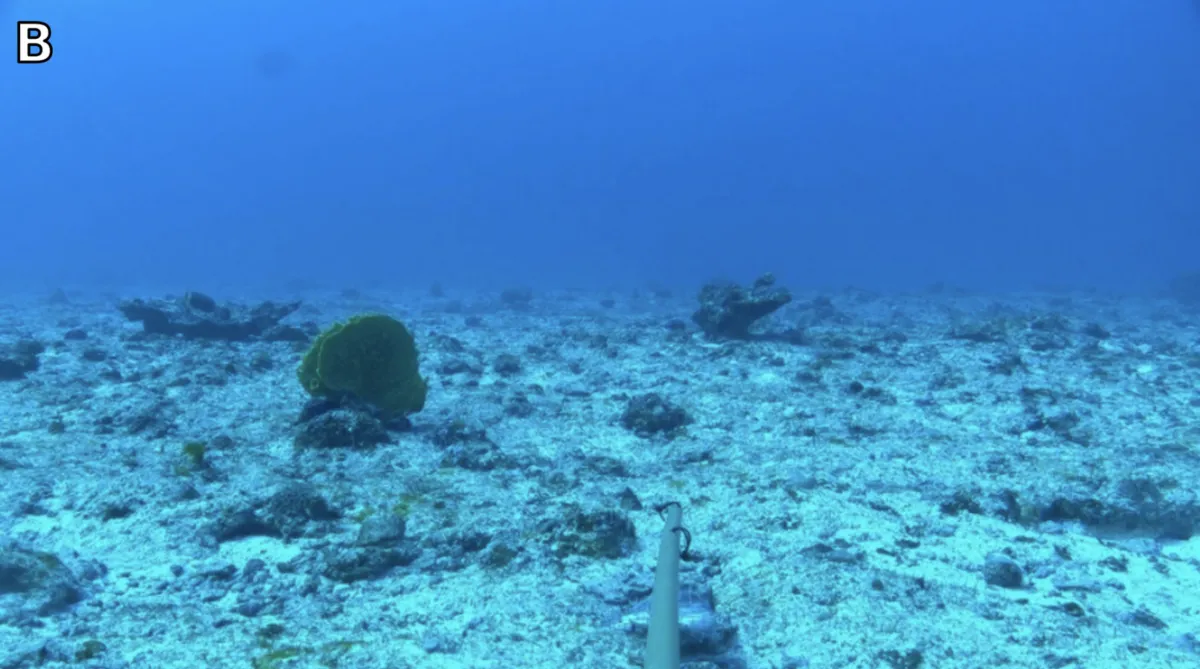
Samples collected in 2022 measured 53 and 72 centimeters long after becoming entangled in video recorders. This discovery highlights the need for monitoring deeper water zones to understand how benthic Sargassum cope with climate change.
Like kelp forests, Sargassum traps vast amounts of carbon dioxide and supports marine biodiversity. However, conservation efforts have historically focused on cold-temperate kelps while neglecting native benthic Sargassum species in warm regions.
Sources
Read the full story at the source
ScienceAlertsciencealert.com↗
This summary is compiled from the sources above with the help of AI. Please refer to the sources for full details.