


Humanoid robots arrive at homes amid falling costs
Advances in AI and hardware have reduced the cost of humanoid robots by about 72 percent over the last two years. According to The Economist, this technology is expected to become widespread in household chores in coming years.
Humanoid robots have long been one of the most captivating technologies in science fiction, yet replicating human movement and dexterity has proven difficult. Most industrial robots are fixed machines designed to repeat specific tasks.

However, advancements in large language models (LLM) are opening a significant transformation in robotics. AI now understands commands, plans complex tasks, and supports robotic systems adapting to physical environments.
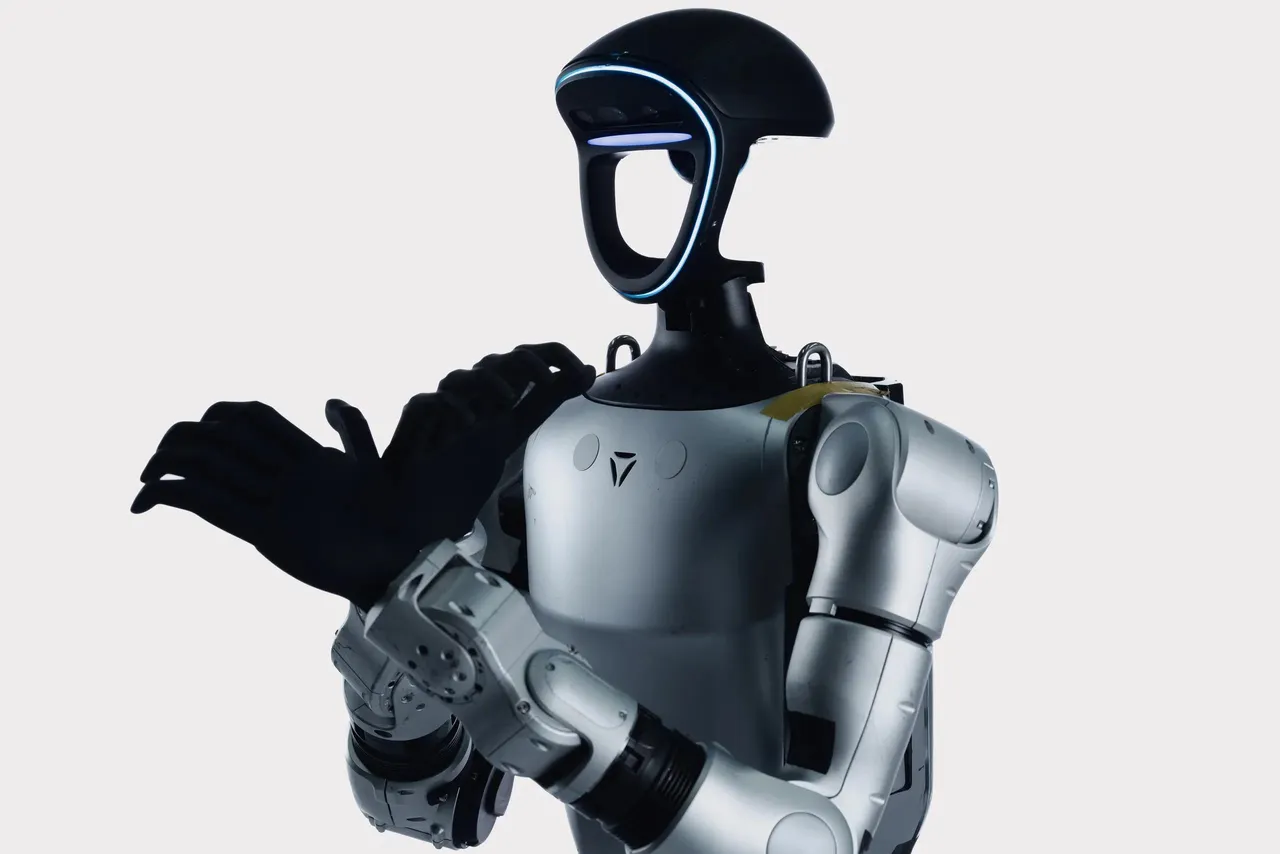
According to The Economist's 'The World Ahead 2027' report, robots' capacity to perform physical tasks is increasing rapidly. Robocurve estimates that the capability of advanced LLMs to handle real-world tasks with robots doubles every 54 days.
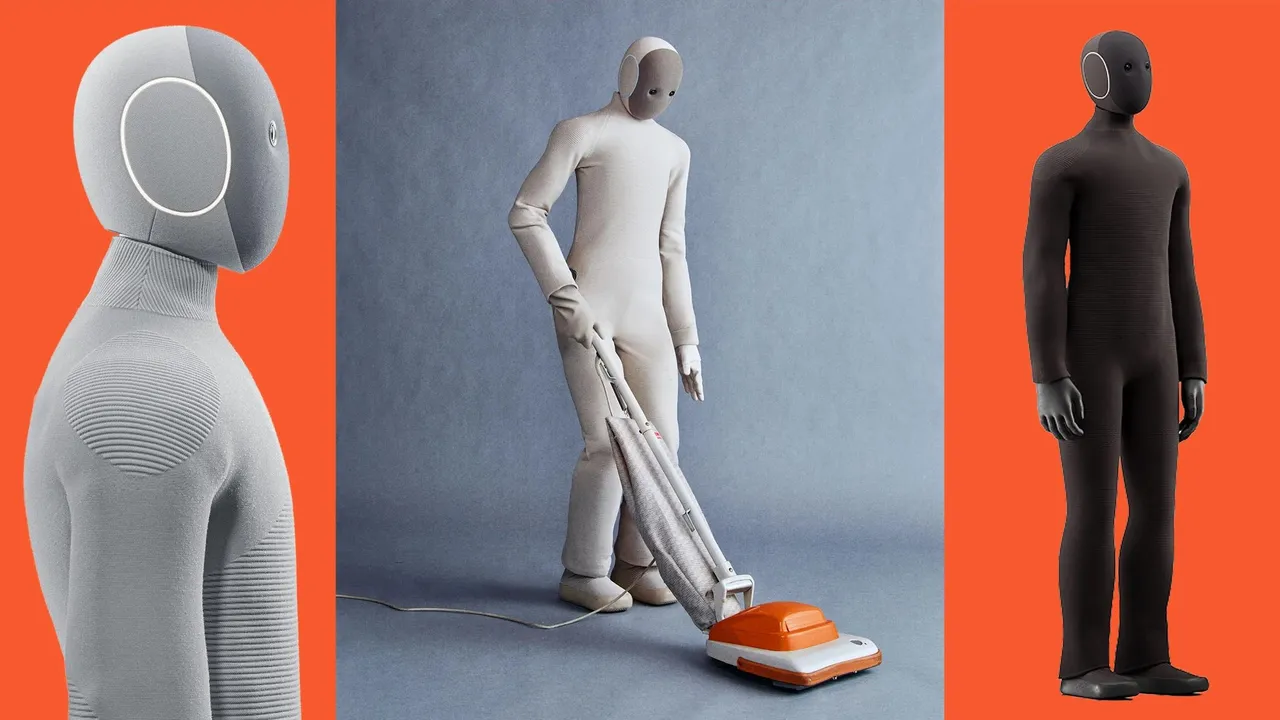
Alex Gajewski, co-founder of California-based robotics lab Pantograph, suggests that once a robot learns specific dexterous skills reliably, AI can combine these movements to create far more complex tasks.
Developments in motors, batteries, and components for electric vehicles and consumer drones are making humanoid robots smaller, stronger, and more efficient. The most tangible reflection of this change is seen in costs.
Sources
Read the full story at the source
DonanımHaberdonanimhaber.com↗
This summary is compiled from the sources above with the help of AI. Please refer to the sources for full details.