
Mummified cats in ancient Egypt show surprising health issues
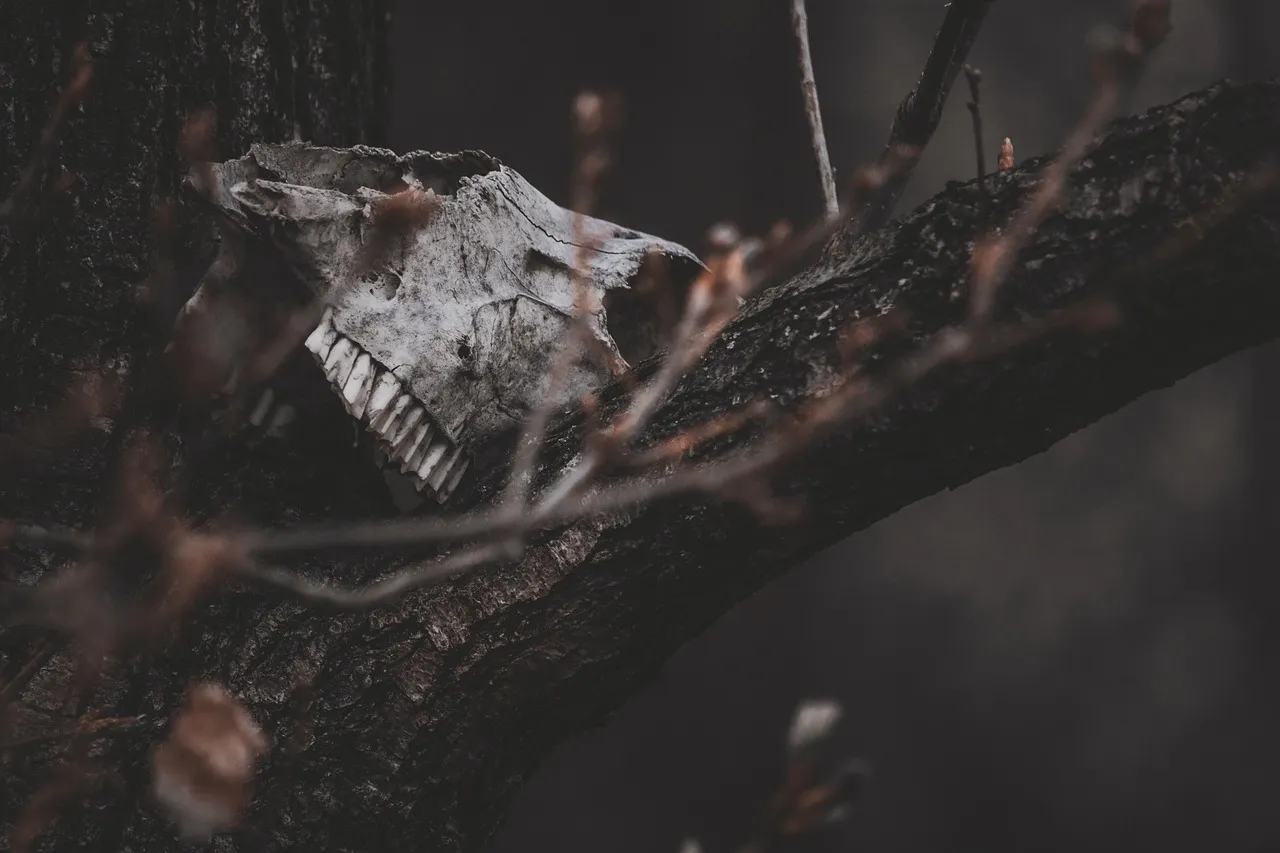
Analysis of 131 ancient cat skulls at the Vienna Natural History Museum revealed that most animals were not healthy. The majority showed signs of dental diseases, bone abnormalities, and traumatic injuries.
A study published in the Journal of Archaeological Science examined 131 cat skulls preserved at Vienna's Natural History Museum. Radiocarbon dating placed these specimens from Egypt's Third Intermediate Period through to the early Ptolemaic era.
Dental diseases and bone abnormalities were found in approximately 61 percent of the skulls. The most common issues included periodontitis, tooth loss, and tartar buildup, with some cases showing severe damage to the jawbone.
Researchers also identified irregularities such as depressions on bone surfaces and small holes at the base of eye sockets. While these may stem from infections or metabolic disorders, their exact causes remain unclear.
A particularly striking finding was traumatic injury marks on 14 skulls, including fractures and penetrating wounds. Some bones showed signs of healing, indicating survival after injury, while others suggest death occurred shortly after trauma.
Seven of the examined skulls belonged to jungle cats (Felis chaus), a wild species. Health problems were found in six of these seven individuals, suggesting different cat types may have been kept under similar captive conditions.
The research also revealed that not all mummified animals were domestic cats. There is a possibility that hybrids resulted from breeding between African wildcats (Felis lybica) and other species within the collection.
Sources
Read the full story at the source
Euronews Türkçetr.euronews.com↗
This summary is compiled from the sources above with the help of AI. Please refer to the sources for full details.