
TSMC begins design phase for A14 chip process
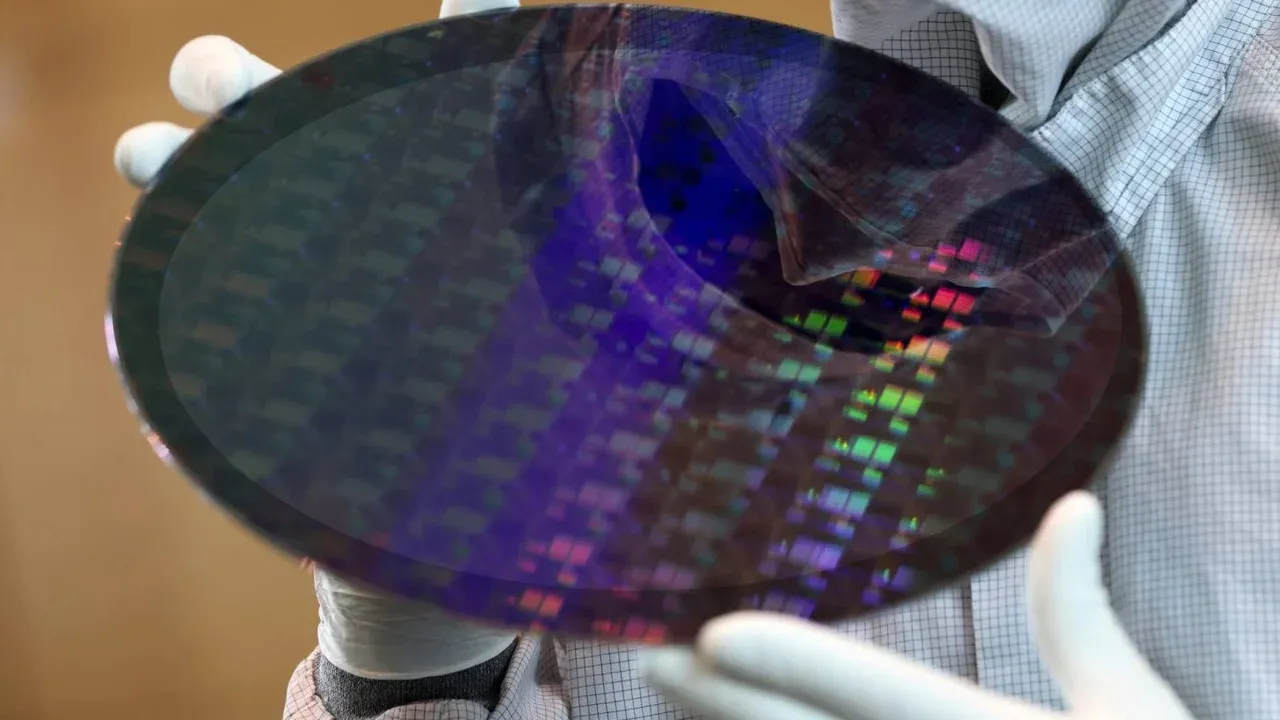
TSMC announced it has entered the design phase for its A14 chip process, scheduled to begin production in the second half of 2027. The company stated that the NanoFlex Pro architecture delivers significant improvements in performance and energy efficiency.
At the 2026 Europe OIP Ecosystem Workshop in Europe, TSMC confirmed that version 0.9 of the design kit (PDK) for the A14 process is ready. This allows chip designers access to production rules and models.
Compared to the N2P with NanoFlex architecture, the A14 process offers either 14% more performance at the same power consumption or 23% lower power consumption at the same speed. Additionally, it achieves a 50% increase in energy efficiency, a 22% rise in transistor density, and a 23% boost in logic density.
The process relies on second-generation nanosheet transistors and the NanoFlex Pro architecture. The design includes two standard cell types: Boost Cells for high speed in critical circuits and Low-Power Cells using narrower nanosheets to save energy where performance is not required.
TSMC has also scheduled the A13 process, which will follow A14. Production of A13 is targeted for the second half of 2029. This transition reduces the mask area by approximately 6% without changing the design flow, though some customers may need redesigns for extra energy efficiency.
The readiness of design tools was verified through collaborations with major EDA software providers like Cadence, Synopsys, and Siemens. Cadence and Synopsys completed full design flows on the Arm Cortex-A725 core, while Siemens is expected to finish its remaining certifications in the fourth quarter of 2026.
Companies such as Apple, AMD, Nvidia, and Qualcomm typically use TSMC's advanced processes for their latest chips. Consequently, processors we will see in phones and computers a few years from now are already being shaped by this current process.
Sources
Read the full story at the source
ShiftDelete.Netshiftdelete.net↗
This summary is compiled from the sources above with the help of AI. Please refer to the sources for full details.