

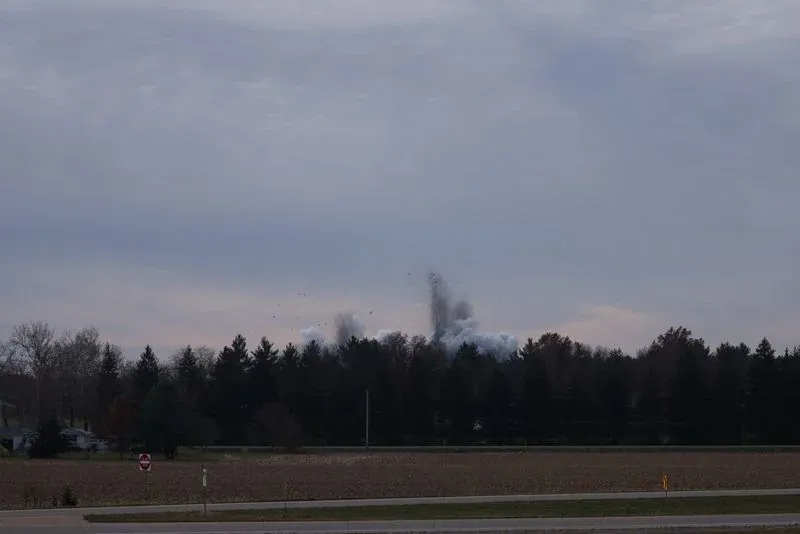
Contamination concerns ease after Iowa blast
The US Environmental Protection Agency (EPA) confirmed that the controlled detonation at an army depot in Iowa caused no significant environmental damage. Initial lab tests show no rise in lead levels in water and soil samples collected from the region.
The US Environmental Protection Agency (EPA) stated that the explosion at an army depot in southeast Iowa caused no significant environmental damage. Approximately five tonnes of lead azide stored in degrading plastic drums were detonated into the air because they posed a risk of spontaneous explosion as temperatures dropped.
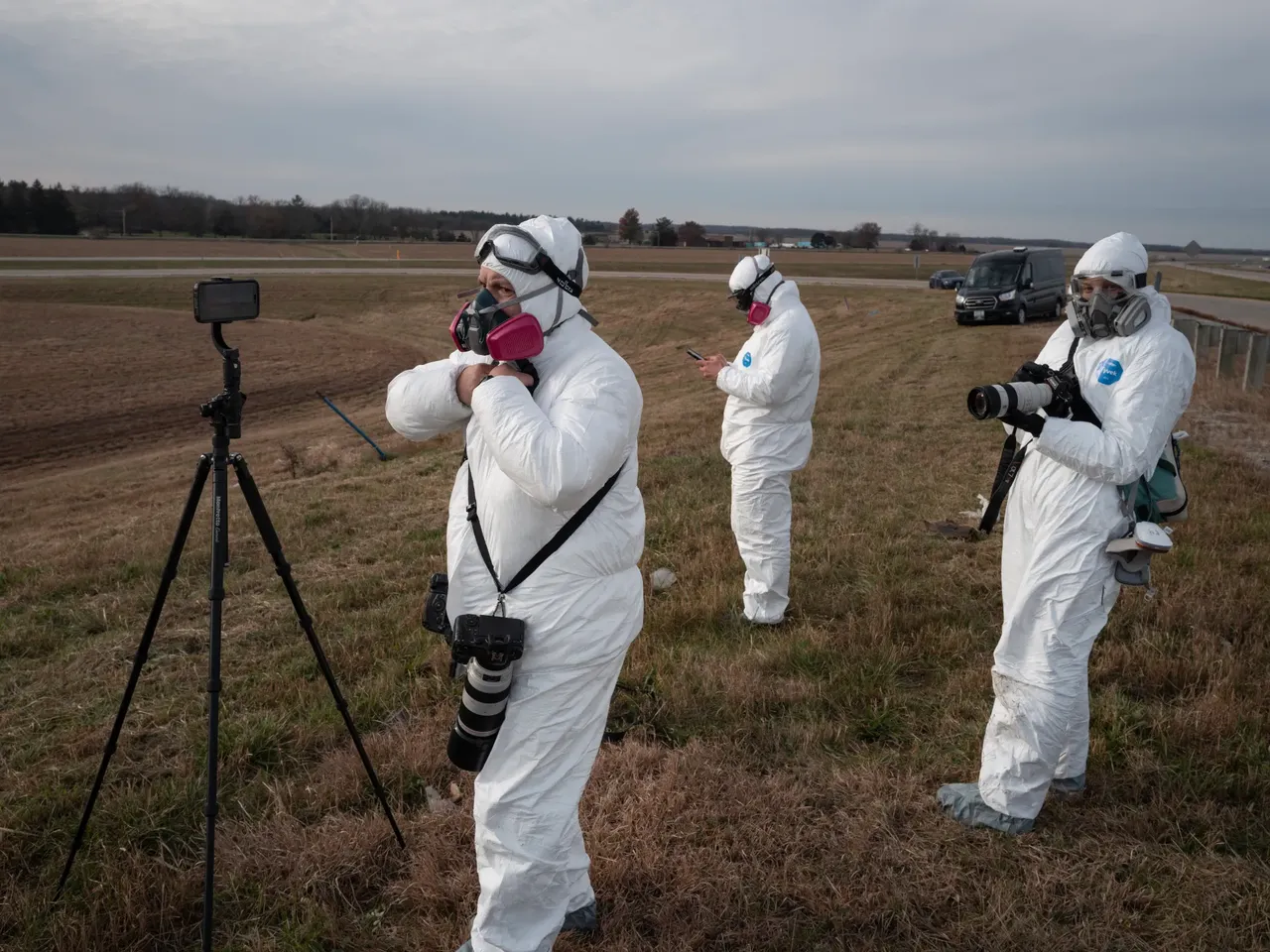
More than 3,200 samples of air, soil, dust, and water collected before and after the blast showed no increase in heavy metal levels. The EPA posted these initial readings online on Saturday, three days after the event.
Independent experts noted that while airborne lead monitoring was conducted for 30 hours, sampling water, soil, and structural surfaces is required to fully assess fallout. Lead remains dangerous to children and pregnant women once it settles in the environment.
The controlled demolition sparked criticism from residents and some elected officials regarding a lack of transparency and insufficient public notice before the explosion. Army commanders explained that immediate detonation was the safest option for an unstable stockpile.
Sources
Read the full story at the source
Investing.cominvesting.com↗Al Jazeera
aljazeera.com↗
This summary is compiled from the sources above with the help of AI. Please refer to the sources for full details.